How Building Brand Authority on Live Video Drives Growth
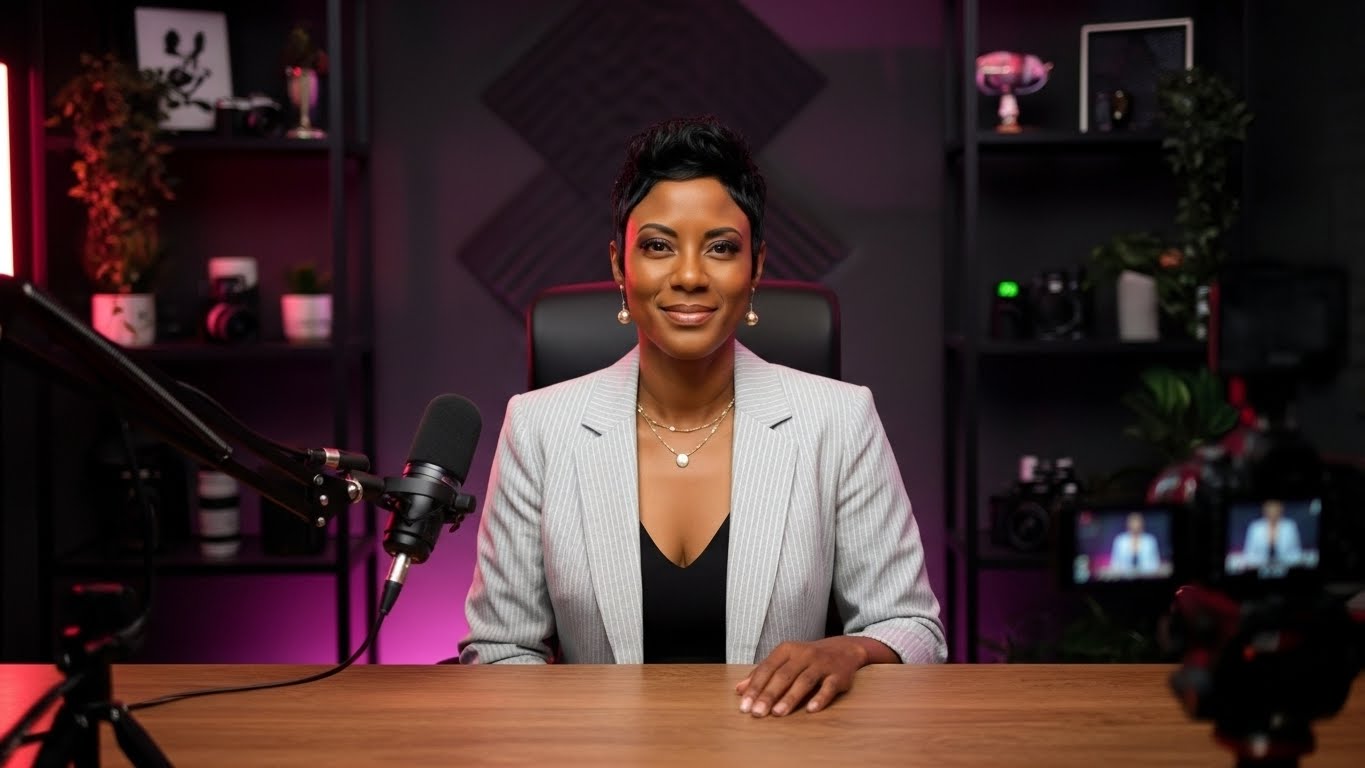
Brand authority is not a feeling. It is a pattern of evidence that your audience can see, search, and verify. Live video is one of the fastest ways to build that pattern, because it does something a polished blog post cannot. It shows people how you think in real time.
That matters more than ever. According to LinkedIn, 88% of decision-makers say thought leadership content improves their perception of a brand. When a coach answers a hard question on camera, or walks a client situation through a framework live, viewers are not just learning. They are watching expertise in motion. That is what builds trust faster than any static asset.
If you are an established coach or consultant who wants stronger credibility and fewer tire-kicker leads, live video is not a shiny new tactic. It is a structural part of how authority gets built and recognized today.
Why live video builds authority faster than written content
Search engines and buyers are both looking for the same thing: proof of experience, expertise, authority, and trustworthiness. Google calls it E-E-A-T. Buyers just call it "I trust this person."
Live video sends those signals in a way written content cannot. Your unscripted answers, your real reasoning, your willingness to work through a question on camera, all of it becomes searchable proof. The recording, the timestamps, the transcript, the clips. Each one is an asset that keeps working long after you go offline.
A consultant who walks through a client case on camera builds more credibility in 30 minutes than a polished blog post does in a month. That is not an opinion. It is what the data on watch behavior and buyer trust consistently shows.
What stronger authority actually does for your pipeline
When prospects see your expertise live before they ever talk to you, they arrive at the discovery call already further down the funnel. They ask better questions. They know your point of view. They convert at a higher rate because the trust work is already done.
That is the real return on a weekly live show. Not vanity metrics. A shorter sales cycle, better-fit clients, and a steady stream of inquiries that come from people who already understand how you work.
A recurring case walkthrough or a weekly Q&A becomes a repeatable channel that surfaces your authority and feeds your pipeline at the same time. Less cold outreach. More inbound conversations with people who are ready.
On-stream tactics that signal authority
Authority on camera comes from a small set of repeatable signals. You do not need to do all of them. You need to pick three or four and stay consistent for at least 60 days.
Standardize your visual kit. A clean lower third with your name, role, and the episode topic does more than you think. It tells viewers you take this seriously and gives them a reason to take you seriously too.
Show your credentials on screen during your introduction. Job title, certifications, client logos if you have permission. These are not bragging. They are search engine and buyer signals.
Tell stories built around results. Walk through the problem, the action, and the measurable outcome. This is the structure that turns a teaching moment into a proof point.
Run live case studies. Show a client workflow, a before and after, or a real situation you helped solve. Anonymize what needs to be anonymized and get permission first.
Use disciplined Q&A. Collect tough questions in advance, answer them live, and turn the unresolved ones into your next episode. This single habit will compound your authority faster than almost anything else.
How to turn one live show into ongoing authority content
A live broadcast becomes long-term authority when you treat it as a finished asset, not a one-time event. This is the heart of the Single Source Framework. One pillar conversation, repurposed strategically across the platforms where your audience already searches.
Clip 30 to 90 second highlights for short-form video and email. Transcribe and timestamp the full episode so it becomes searchable. Build a pillar page that groups related episodes by theme and links the clips, transcripts, and resources together. This is how you signal topical authority to search engines and to buyers at the same time.
Optimize each episode page with keyword-rich titles, clear meta descriptions, and structured data. Upload chaptered videos to YouTube with thumbnails that read clearly on a phone. Track which assets pull backlinks and referral signups so you know what is actually working.
Pick two or three of these distribution moves and make them routine for the next eight weeks. Consistency compounds. Small credibility moves on camera, paired with deliberate distribution, are what turn weekly live shows into a long-term authority engine.
A 90-day plan to build authority without burning out
Do fewer things. Do them well. Score every tactic on two simple dimensions: how much effort it takes and how visible the result will be. Start with high-visibility, low-effort moves so your calendar stays realistic and your energy stays protected.
Weeks 1 to 2: Audit and brand template. Inventory what you already have. Lock in a reusable overlay, a standard intro, and a host dry run. Baseline your current watch time and weekly reach so you know where you are starting from.
Weeks 3 to 6: Launch the weekly show. Publish four episodes. Repurpose clips from each one. Run one episode with a guest expert if it fits your model. Track average watch time and the number of leads coming in from your in-show calls to action.
Weeks 7 to 12: Build a signature asset and ramp distribution. Produce one deeper piece, like a research-backed episode or a detailed case study. Pitch one targeted PR opportunity. Amplify your best clips across your supporting channels. Track earned mentions and the shift in your authority signals.
By week 12 you will have a repeatable cycle. You will know which formats hold attention, which CTAs convert, and which tactics are worth scaling. That is the data you use to plan the next 90 days.
The metrics that prove authority is working
Authority becomes real when you can tie it to data. You do not need a complicated dashboard. You need a small set of signals that show progress in weeks instead of quarters.
Track six things. Branded search volume tells you whether awareness is rising. Organic traffic to your authority pages tells you whether your content is earning topical relevance. Editorial backlinks and mentions confirm that other people see you as credible. Share of voice shows how often you appear compared to your competitors. Live engagement and retention measure in-session credibility. Lead quality and conversion rates confirm the business impact.
Use the tools that map to those signals. Google Search Console for branded search trends. Ahrefs or Moz for backlinks. Brand24 or Mention for press and social mentions. Your analytics platform for organic page behavior and conversion. Build a simple weekly dashboard, assign one owner, and let the data tell you what to do next.
Your next step
You do not need a complicated strategy to start building brand authority on live video. You need a repeatable system, a clear signal of expertise, and the discipline to keep showing up.
Block 60 minutes this week. Outline three teaching points for a 20-minute live show. Schedule the broadcast. Save the replay as a clip. Repeat that pattern weekly. That is how visible authority gets built, and how qualified clients start finding you instead of the other way around.

How to Get Coaching Clients From Live Video Sessions

 Apple Podcasts
 Spotify
 YouTube
 iHeartRadio
 Podchaser
 Overcast
 PocketCasts