How to Get Clients from YouTube: A Step-by-Step Guide for Coaches
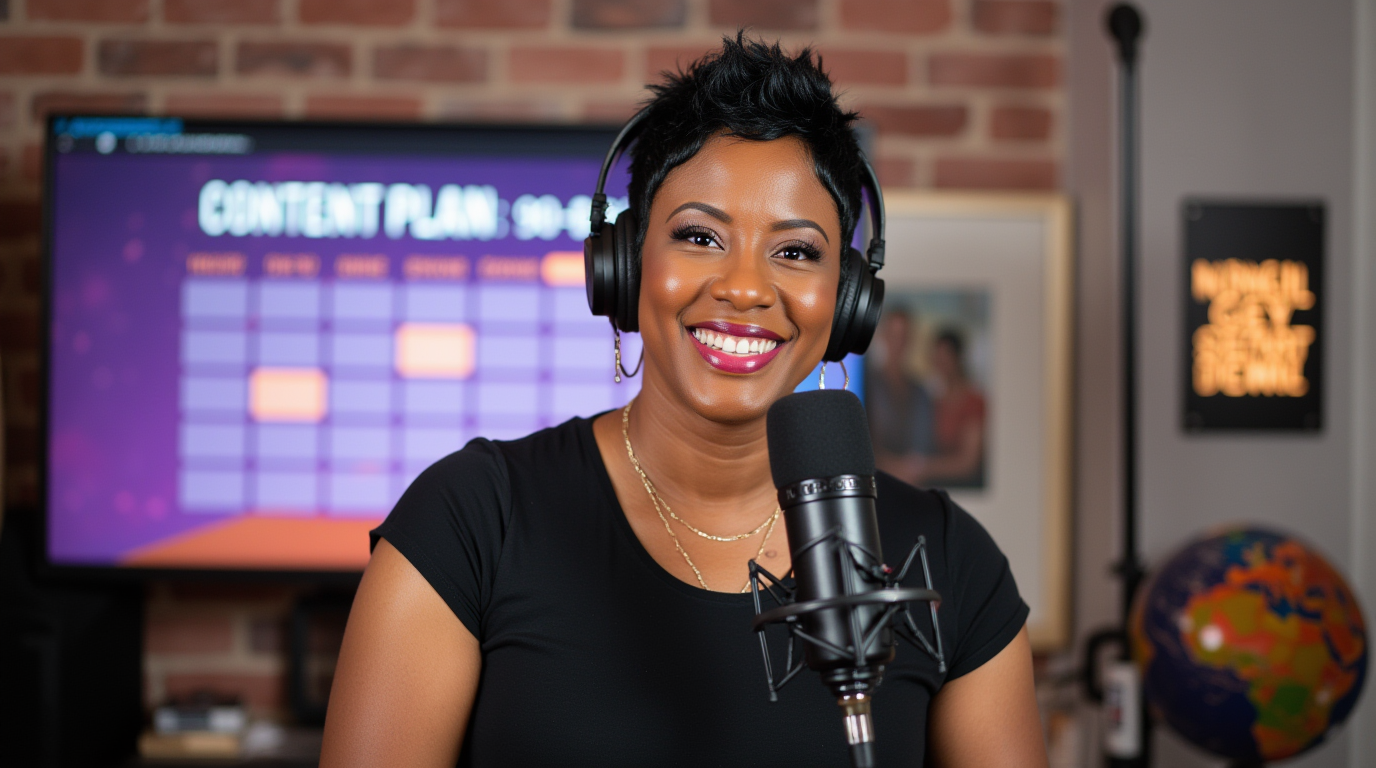
Most coaches treat YouTube like a popularity contest. They chase views, obsess over subscriber counts, and wonder why the channel is growing but the calendar is not.
YouTube is not a popularity contest. It is a lead generation channel. And the coaches who get clients from YouTube are the ones who treat it that way from the start.
This guide walks through the exact system. Which video formats actually convert. How to optimize for clicks that turn into calls. How to build a simple funnel from video to landing page to calendar. And how to measure the full chain so you know what is working.
Step 1: Pick video formats that actually convert
Not every format moves a viewer toward a booking. For coaches and consultants, four formats consistently produce inquiries: talking-head videos, step-by-step tutorials, comparison videos, and FAQ explainers. These work because they answer the questions a buyer is already asking before they hire someone.
Pick two or three of these and commit. Focus beats variety on YouTube. A channel with 30 strong videos in two formats will outperform a channel with 100 scattered videos in ten.
Match the format to buyer intent. Tutorials and talking-heads work at the top of the funnel because they teach and humanize your brand. Comparison and FAQ videos work later in the funnel because they handle objections before a discovery call ever happens.
Then structure every video the same way so the call to action feels like a natural next step. A clear hook in the first 15 seconds. Value through the middle. A proof moment with a real client example. And a 30 to 60 second CTA that tells the viewer exactly what to do next.
Step 2: Optimize titles, thumbnails, and descriptions
Your thumbnail is the first promise you make to a viewer. Keep it simple. A close-up face with readable expression, bold contrast, and three to five words of overlay text. Test two variations on every video so you learn what your audience actually clicks.
Titles should spark curiosity without overpromising. Templates that work for coaches:
How I helped [client type] get [result] in [time frame] 3 mistakes [client type] make when [doing X] The exact system I use to [solve specific problem]
Use numbers when they fit. Pre-qualify the viewer in the title so the people who click are the people you actually want.
Descriptions are where SEO and conversion meet. Lead with a keyword-focused first sentence. Pin your call to action near the top. Add timestamps that point to the moments where you deliver proof or share a case study. Link to a relevant playlist. Add three to five targeted tags that combine your service with your client type.
Step 3: Write CTAs and lead magnets that book discovery calls
A call to action has to do three things. Tell the viewer exactly what to do. Tell them how long it takes. Tell them what they get.
Place a clear CTA mid-roll, after you have already delivered value. Then repeat it at the end as the natural next step. Pin a comment with a single click link so interested viewers do not have to search.
Match your lead magnet to your format. A talking-head video pairs well with a short checklist. A tutorial pairs well with a three-step audit. A case study pairs well with a recorded mini-audit. The principle is simple. Whatever the viewer just watched, the lead magnet should feel like the obvious next step.
Reduce friction everywhere you can. Single field opt-in pages. One click calendar scheduling. A two question pre-call form so you walk into discovery calls already knowing what the prospect needs.
Step 4: Build a simple funnel from video to landing page to calendar
Turn viewers into booked calls using three clear stages. Video. Landing page. Calendar.
Start with realistic expectations. Roughly 0.1% to 1% of views become leads. Of those leads, 10% to 30% book calls. That puts your booked-call rate somewhere between 0.01% and 0.1% of total views. So if you want 10 booked calls a month, you need to reverse engineer how many videos and how much reach that requires.
Your landing page needs to do less, not more. One uncluttered page per offer. A headline that matches the video. Three benefit bullets. One social proof line. A short form. A prominent schedule button. That is it.
Microcopy under the form does more than people think. Something like "No sales call. Just a 15 minute plan for your situation" can lift conversions because it tells the viewer what to expect.
Capture is the start, not the finish. Send a short nurture sequence. Deliver the asset. Follow up with one value email. Add social proof. Send two reminders before the call so show rates stay high.
Step 5: Measure the full chain and iterate
Track the metrics that map directly to revenue. Impression click-through rate. Average view duration. Video to landing page click rate. Landing page conversion rate. Booking rate. Calculate each as a percentage and watch for sudden drops between steps. Those drops are where prospects are leaking out of your funnel.
Use playlists as mini funnels. Sequence your videos so a discovery video leads to an education video, which leads to a proof video, which leads to your offer. YouTube rewards longer watch sessions, and a guided playlist increases the chance a viewer reaches your CTA.
Run A/B tests on thumbnails, hooks, and landing page copy. Change one element at a time. Give each test at least two weeks before you draw any conclusions. Favor formats that balance click-through rate with watch time so you do not chase clicks that never convert.
A 30, 60, 90 day plan you can actually follow
Days 1 to 30: Set the foundation. Pick one audience and two or three video formats. Publish six to eight videos. Build one lead magnet and one matching landing page. Set up basic tracking. Treat this month as setup and learning, not perfection.
Days 31 to 60: Test and refine. Run A/B tests on thumbnails and titles with a clean cadence. Test for seven days, pick the winner, validate it for another seven. Choose win criteria that weigh watch time and click-through rate together so you do not chase low-quality clicks.
Days 61 to 90: Scale what works. Repurpose long videos into clips and Shorts. Document your production process so you can hand off the predictable tasks. Consider a small paid boost only on videos that have already proven they convert.
Your next step
Pick a format that converts. Make a thumbnail with clear emotion. Write a description with a single lead magnet and a clear CTA to book a discovery call. Then build the simple funnel that moves a viewer from video to landing page to calendar.
Record one short video this week using one of the formats above. Publish it with a clear CTA. Watch what happens to your numbers over the next 14 days. That is how you stop hoping for clients from YouTube and start getting them.

How to Get Coaching Clients From Live Video Sessions

 Apple Podcasts
 Spotify
 YouTube
 iHeartRadio
 Podchaser
 Overcast
 PocketCasts